Ladakh - A Lifetime Experience |
Leh which is the Land of excessive passes and the capital of Ladakh is a region of Jammu and Kashmir situated between the two highest mountain ranges, the Himalayas and Karakoram. It is among the ultima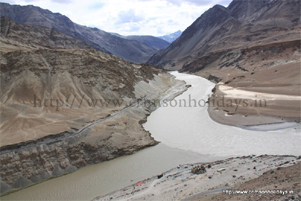 te destinations for adventure enthusiasts and nature lovers. A Leh Ladakh trip is filled with a world of spirituality The scenic beauty of the elevated mountains and serene valleys make it a stunning land for adventure lovers. It is a simple and pure land which attracts people from all across the world. It hosts quite a few Buddhist structures like monasteries, temples and stupas which can also be a charming feature. On arrival Leh pick up from Leh airport and transferred to the Hotel / Lodge /Resort Free for independent activities and acclimatization with the high altitude Leh (Ladakh) which is 3500 Mtrs above sea level Over night stay at Hotel. Arrival at Leh Airport Leh is at an elevation of (3500 Mtrs) above the sea level. You will be received by our representative and transferred to the hotel. Traditional Verify in, welcome tea, coffee will be served Complete relaxation to get acclimatizes After lunch drive to visit Tsemo Gompa, Shanti Stupa and drop at Leh Market, nice walk while returning to Hotel. Over night time at Hotel. THE LADAKH TOURS offers leh ladakh travel packages and tourist guide info for its valued travellers to explore the ladakhi culture, tradition of this beautiful and mysterious land Tours to Ladakh is a unique way to experience Ladakh, one of Ladakh’s most vibrant and unique destinations This is the true spirit of Ladakh- welcoming and pleasing! Irrespective of if for a Group trip or a family holiday / vacation or Honeymoon package or cooperate tours or student study tours. te destinations for adventure enthusiasts and nature lovers. A Leh Ladakh trip is filled with a world of spirituality The scenic beauty of the elevated mountains and serene valleys make it a stunning land for adventure lovers. It is a simple and pure land which attracts people from all across the world. It hosts quite a few Buddhist structures like monasteries, temples and stupas which can also be a charming feature. On arrival Leh pick up from Leh airport and transferred to the Hotel / Lodge /Resort Free for independent activities and acclimatization with the high altitude Leh (Ladakh) which is 3500 Mtrs above sea level Over night stay at Hotel. Arrival at Leh Airport Leh is at an elevation of (3500 Mtrs) above the sea level. You will be received by our representative and transferred to the hotel. Traditional Verify in, welcome tea, coffee will be served Complete relaxation to get acclimatizes After lunch drive to visit Tsemo Gompa, Shanti Stupa and drop at Leh Market, nice walk while returning to Hotel. Over night time at Hotel. THE LADAKH TOURS offers leh ladakh travel packages and tourist guide info for its valued travellers to explore the ladakhi culture, tradition of this beautiful and mysterious land Tours to Ladakh is a unique way to experience Ladakh, one of Ladakh’s most vibrant and unique destinations This is the true spirit of Ladakh- welcoming and pleasing! Irrespective of if for a Group trip or a family holiday / vacation or Honeymoon package or cooperate tours or student study tours.
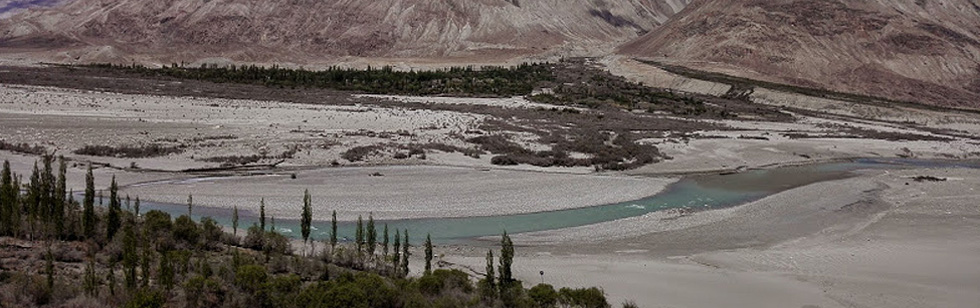
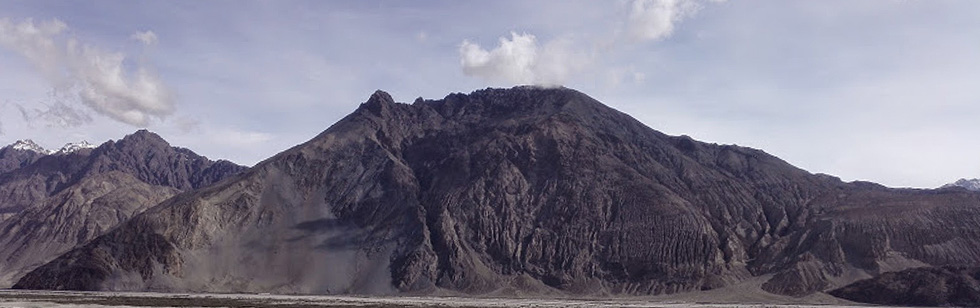
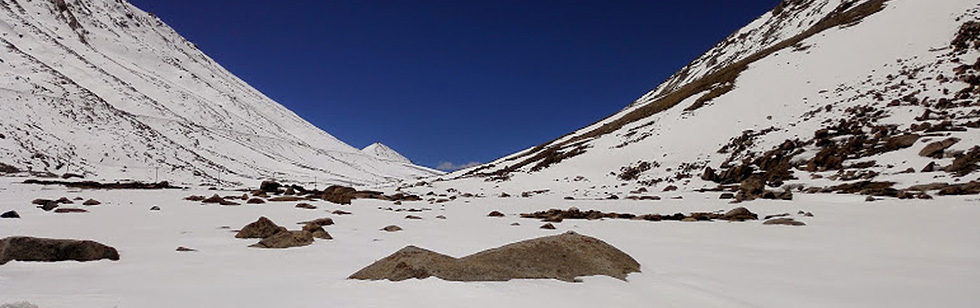
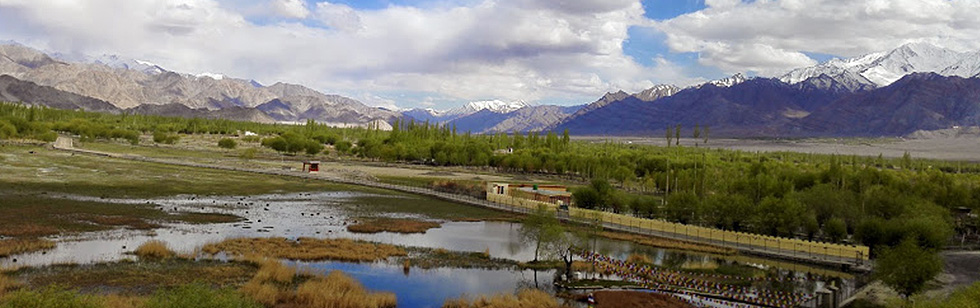
Ladakh is on the northern most tip of India and is cradled within the Himalayas. The Leh-Ladakh tour packages take you on a fascinating trip of the Himalayas The tour to Leh-Ladakh includes a trip to the beautiful city of Srinagar as nicely. Take breakfast and take a look at from the hotel in Leh (Ladakh). On time the representative of Vacation in India org will transfer you to the Leh Airport to board flight for Delhi. The trip of Ladakh trip ends but memories will stay in your mind forever. In case you are short on time, you can always choose to drive to Manali or fly to Leh and start your tour from there. Leh Ladakh Tour India Travel agent offers customize tours packages such as ladakh tourism, packages for ladakh, package tours to ladakh, ladakh luxurious tours, tour operators in ladakh and tourism in leh ladakh and so on. Within our over 30 nicely-designed tour packages, there are 5 finest-buy tours are considered by our clients prior to now few years. {For those who have no idea how to arrange your ladakh tours, these top 5 ladakh packages will assist you to explore ladakh in proper way Tour packges Leh ladakh Specialties. For More Information about Leh Ladakh tours, Leh Ladakh Tourist Points of interest, Budget hotels / lodges / accommodations in leh ladakh please visit our website at www.crimsonholidays.com | There are many other significant locations in the place just like the magnetic hills, the Indus and za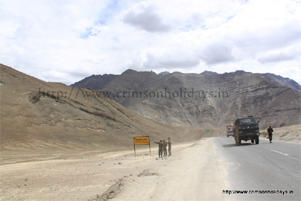 nskar river meeting zone. There is the nubra valley, which has the well-known monastery known as diskit monastery There are sand dunes in the place as well where one can take pleasure in camel rides. The place is very magnificent surrounded by dry mountains. To reach nubra valley, one must cross the Khardungla pass, which is the best motorable road in the world, at a peak of 18,400 ft. This place is always filled with snow because the temperature right here is very low. nskar river meeting zone. There is the nubra valley, which has the well-known monastery known as diskit monastery There are sand dunes in the place as well where one can take pleasure in camel rides. The place is very magnificent surrounded by dry mountains. To reach nubra valley, one must cross the Khardungla pass, which is the best motorable road in the world, at a peak of 18,400 ft. This place is always filled with snow because the temperature right here is very low.
Leh Ladakh travel packages include a fantastic tourist destination providing the warmth of Ladakhi people. Its dry hilly landscape offers unmatched beauty Ladakh is between the Himalayas and the Karakoram mountain ranges Ladakh includes of Leh and Kargil districts. This is an impressive range and also a storehouse of adventure sports that includes jeep safari, mountaineering river rafting, trekking and cycling, biking. After breakfast we leave on a full day tour of the monasteries around Leh and visit Shankar, Spituk and Phyang monasteries Later in the afternoon we walk around Leh town and visit Leh Market, Leh Palace ruins, Leh Gompa & Shanti Stupa. The monasteries of Ladakh depict a beautiful amalgamation of Tibetan, Chinese and Indian Buddhism and this festival is a testi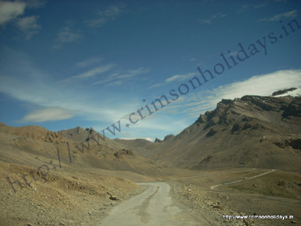 monial of the same. The highlight of Ladakh is the Hemis festival. Two days of galore and extravaganza, the town transforms itself into the land of pleasure, festivity laced with extravaganza Quite like other Indian festivals, this festival too celebrates the victory of good over evil Looking at the historic facts related to this festival, in order to safeguard the people of the land, Guru Padmasambhava fought the evils and also founded Tibetan Buddhism. Hence as a mark of respect, the people of the land gather to celebrate his birth anniversary. Adventure is one of the most sought after thrilling thing that welcomes adventure seekers from all parts of the world. The significant topography of the state andphysical variance offers an array of heart -pumping adventure sports like trekking,river rafting, rock climbing, paragliding, angling etc, in Ladakh Mountain cycling or biking in Ladakh is another famous sport that invites bikers from different parts of the nation and globe. So get adventurous and set off to see the villages of Ladakh where you can also make a stop and get to know a lot about the roof of the world. monial of the same. The highlight of Ladakh is the Hemis festival. Two days of galore and extravaganza, the town transforms itself into the land of pleasure, festivity laced with extravaganza Quite like other Indian festivals, this festival too celebrates the victory of good over evil Looking at the historic facts related to this festival, in order to safeguard the people of the land, Guru Padmasambhava fought the evils and also founded Tibetan Buddhism. Hence as a mark of respect, the people of the land gather to celebrate his birth anniversary. Adventure is one of the most sought after thrilling thing that welcomes adventure seekers from all parts of the world. The significant topography of the state andphysical variance offers an array of heart -pumping adventure sports like trekking,river rafting, rock climbing, paragliding, angling etc, in Ladakh Mountain cycling or biking in Ladakh is another famous sport that invites bikers from different parts of the nation and globe. So get adventurous and set off to see the villages of Ladakh where you can also make a stop and get to know a lot about the roof of the world.
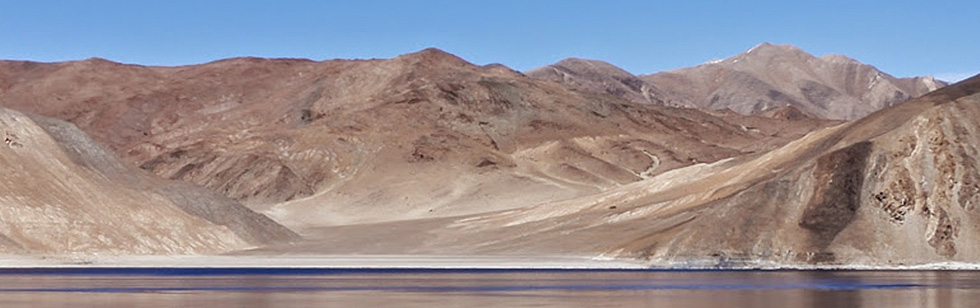
You can have some exclusive photos shot here, end the trip by having lunch here and then return towards Leh. Once you reach Karu ask the driver to take the diversion for Chumthang the place you'll be staying overnight. An overnight stay in Chumthang will likely be helpful to your next day visit to Tso Morriri & Tso Kar. For this sort of arrangement I would highly recommend you to discuss the same with driver right when booking the cab for the outdoor journeys from Leh simply because few drivers are reluctant to travel in evening time Put up breakfast, Leave for Mulbek Enroute you Rizong and Lamayuru monastery Journey bike 1km from resort then take right hand side road at Gyera and enter into the gorgeous gorge Continue journey up as far as Chulichan where you will find Nunnery with small temple Additional 3km journey takes you to Rizong monastery that picturesquely constructed on hill top with imposing view of surrounding great mountains by Lama Tsultim Nima 150 years ago. This beautiful monastery is located in very isolated place in the middle of huge towering mountains. After the visit drive back to Gyera then continue ride onward to Mulbek. The Ladakh Travel Package provides an tour to the luxurious Leh, the exotic Khardongla Pass and the picturesque Pangong Lake A journey to Ladakh offers you an opportunity to visit the monasteries and benefit from the scenic beauty of the Changla pass Leh Ladakh, India Mountain climbing & Trekking - Our firm organise complete package tour and trekking in ladakh and Zanskar from 7 days to 30 days tour which include trekking, culural tour, Nature, Buddhist monasteries tour, Rafting in Indus and Zanskar Photography, Expedition and jeep safaris Drive to 11th century Alchi monastery of Ladakh Enjoy a float journey to Indus River in the afternoon during your Ladakh travel Overnight at Alchi Resort. |
| |
 |
| |
For more details, contact – enquiry@crimsonhlidays.in |
|
|
|
|
99 000 040 25
97 402 203 40
|
|
|
|
|
|
|
|
|
|
Thanks a ton!! Everything, from arrival at Leh airport till departure was perfectly arranged and planned. We did not face any issue during our holiday.
Thanks a lot once again for making this as one of the most memorable holidays for me and my family. I cannot end this without a special mention of the Ladkah Sarai.
The place and the folks are phenomenal, their hospitality made us feel like home away from home
– Mr. Gaurav Kohli, Bangalore
|
| |
Really we enjoyed the holiday with great atmosphere and with wonderful arrangement. You are one of the best tour operators. I thank all of you at Crimson Holidays for great arrangements. Hospitality in Leh and Nubra Valley was amazing and the best. The Hotels selected by you, hotels staff and vehicle driver were very nice, kind and very cooperative. I highly recommend you to my colleagues and friends
– Mr. Prasanna MRS, Hassan
|
| |
We indeed had a very pleasant holiday in Ladakh. The service in hotel Kaal and Ladakh Sarai was very good - friendly and helpful staff. Food was also nice
– Ms. Shayonee S, Bangalore
|
| |
| Our trip to Ladakh was fantastic and the local sightseeing trips such as Leh town Sightseeing, Pangong Lake visit, Nubra valley stay, Magnetic hill and rafting in Indus river, were well planned & arranged by Crimson Holidays. Overall we would rate the resort very very high with regard to food, accommodation, comfort & service. If at all if there is any grievance, it would be the frequent & prolonged break down in power supply to Leh town in general
– Mr. KVR, Bangalore
|
| |
et me first thank you and your team for organizing such an excellent holiday for us. This trip to Ladakh would not have been such memorable had we not stayed in Ladakh Sarai. To give an overview, we are extremely happy with all the facilities and people in Ladakh Sarai.The place and the hospitality of the people is excellent. We have never shared any bond with people in other hotels we stayed. However in Ladakh Sarai, it was like staying in a friend’s house with people offering us tea whenever they meet us. The food is excellent and we have never tasted so much varieties of food anywhere. The entire management team there helped us a lot in explaining the tour and were always there to help us whenever we needed assistance which is unheard of in any other hotels. The drivers were very professional and navigated the tough terrain of Ladakh with professional expertise (particularly the person who took us to Nubra and Pangong).
The only issues which I have to mention relates mainly to infrastructure issues battled by the city of Leh in particular relating to frequent current cut's which is beyond control. Thanks a lot for you and your teams' help in organizing such an excellent trip
– Mr.Karthik, Bangalore
|
|
|